
Primary Keywords: Luxury Interior Design, Minimalist Interior Design, Modern Interior Design
Choosing an interior design style is one of the most personal decisions you’ll make when designing or renovating your home. Among the many design philosophies available today, luxury interior design and minimalist interior design represent two distinct — and often contrasting — approaches to creating beautiful, functional spaces. While luxury design emphasizes opulence, rich materials, and statement pieces, minimalist design celebrates simplicity, restraint, and purposeful living.
In this article, we’ll explore the defining characteristics of both luxury interior design and minimalist interior design, helping you determine which approach best aligns with your lifestyle, values, and aesthetic preferences.
Table 7.1 — Luxury vs. Minimalist Interior Design at a Glance
| Attribute | Luxury Interior Design | Minimalist Interior Design |
|---|---|---|
| Color Palette | Rich, deep tones with metallic accents | Neutral, monochromatic base tones |
| Furniture | Bold statement pieces | Simple, purely functional forms |
| Materials | Velvet, marble, exotic woods | Honest materials: wood, concrete, glass |
| Texture & Pattern | Heavily layered | Minimal, restrained |
| Custom Elements | Bespoke, commissioned pieces | Rare; function over customization |
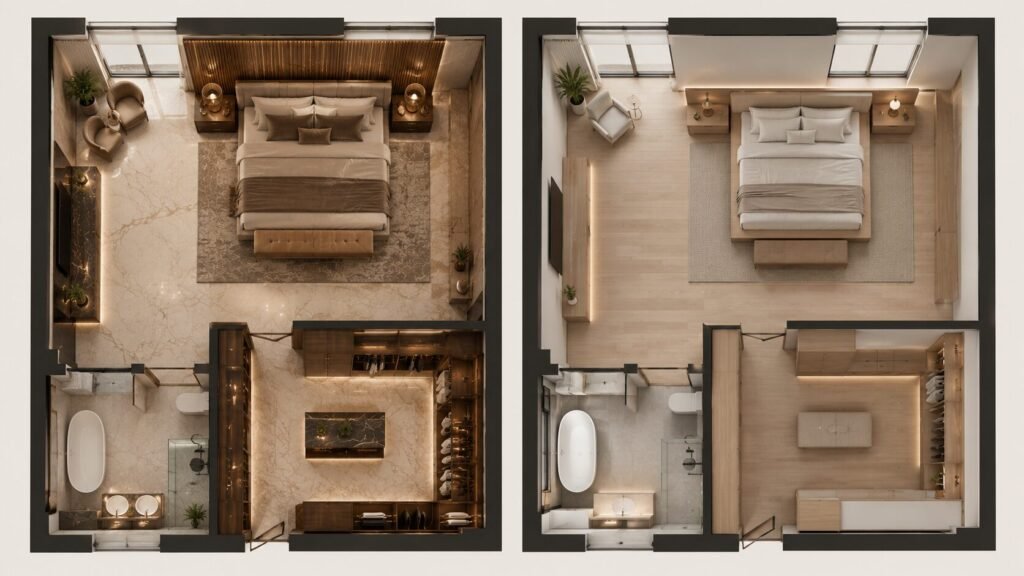
Figure 7.1 — Luxury and minimalist interiors take contrasting approaches to the same room.
Understanding Luxury Interior Design
Luxury interior design is defined by an emphasis on high-quality materials, exceptional craftsmanship, and a sense of indulgence throughout the living space. This style often incorporates rich textures like velvet, marble, and fine woods, along with statement furniture pieces and sophisticated lighting fixtures that serve as focal points within a room.
Key Characteristics of Luxury Interior Design
Premium Materials: Luxury interiors prioritize high-end materials such as natural stone, exotic woods, and premium metals like brass and gold accents. These materials not only look impressive but often offer superior durability and a tactile quality that mass-produced alternatives simply cannot match.
Bold Statement Pieces: Rather than following a strict minimalist approach, luxury interior design often celebrates bold, eye-catching furniture and decor pieces that serve as conversation starters and focal points within a space.
Layered Textures and Patterns: Luxury spaces frequently incorporate multiple textures and patterns, from richly patterned rugs to textured wall coverings, creating visual depth and a sense of curated abundance.
Custom and Bespoke Elements: A hallmark of true luxury interior design is the incorporation of custom-made or bespoke elements, from tailored furniture pieces to commissioned artwork, ensuring the space feels truly unique to its owner.
Sophisticated Color Palettes: While luxury design can incorporate bold colors, it often favors rich, deep tones like emerald, navy, and burgundy, paired with metallic accents that add warmth and sophistication.
Understanding Minimalist Interior Design
Minimalist interior design, by contrast, embraces the philosophy that less is more. This approach strips away unnecessary elements, focusing on clean lines, functional furniture, and uncluttered spaces that promote a sense of calm and clarity.
Key Characteristics of Minimalist Interior Design
Simplified Color Palettes: Minimalist interiors typically favor neutral, monochromatic color schemes, using white, gray, and beige as foundational tones, occasionally accented with a single bold color for visual interest.
Functional Furniture Selection: Every piece of furniture in a minimalist space serves a clear purpose, with an emphasis on clean lines and simple forms rather than ornate or decorative elements.
Decluttered Spaces: Perhaps the most defining characteristic of minimalist design is the deliberate reduction of visual clutter, achieved through thoughtful storage solutions and a commitment to owning fewer, higher-quality possessions.
Emphasis on Negative Space: Minimalist interior design intentionally incorporates empty space as a design element itself, allowing individual pieces to be appreciated without competing for visual attention.
Natural Light and Materials: Minimalist spaces often prioritize natural light and simple, honest materials like unfinished wood, concrete, and glass, celebrating their inherent beauty without excessive embellishment.
Comparing Costs: Luxury vs. Minimalist Design
A common misconception is that minimalist design is automatically more budget-friendly than luxury interior design. In reality, achieving a truly polished minimalist aesthetic often requires investing in fewer but higher-quality pieces, as the simplicity of the design means any flaws or lower-quality materials become immediately apparent.
Luxury interior design, while generally associated with higher overall investment due to premium materials and custom elements, can vary significantly in cost depending on the specific choices made throughout the design process.
Which Style Suits Different Lifestyles?
Table 7.2 — Which Style Suits Your Lifestyle?
| If You… | Luxury Interior Design | Minimalist Interior Design |
|---|---|---|
| Enjoy entertaining guests | Strong fit | Possible, but less dramatic |
| Value simplicity & calm | Less aligned | Strong fit |
| Want investment statement pieces | Strong fit | Not a priority |
| Prefer easy, low-clutter upkeep | Requires more care | Strong fit |
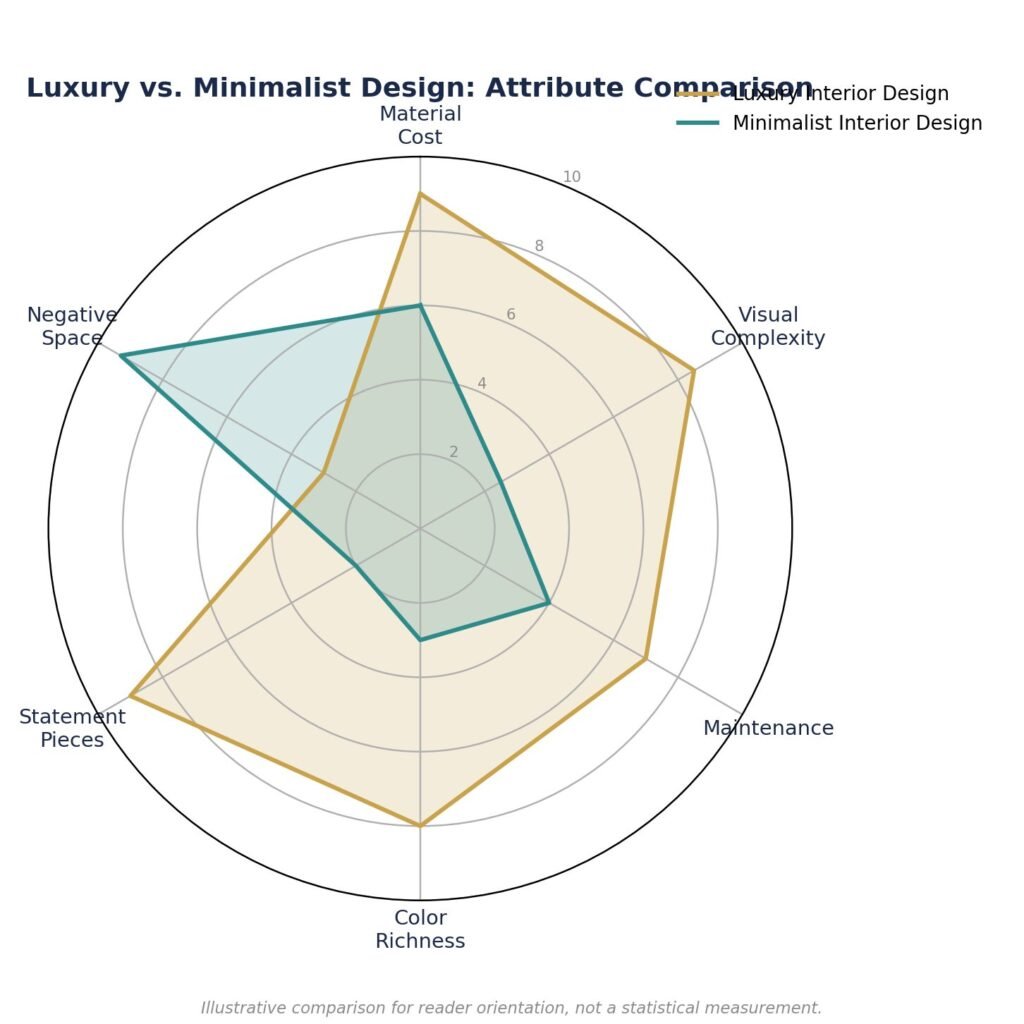
Figure 7.2 — Comparing luxury and minimalist design across key style attributes.
Luxury Interior Design May Suit You If:
You enjoy entertaining and want your home to make a memorable impression on guests. You appreciate craftsmanship and are willing to invest in statement pieces that reflect your personal taste and success. You prefer rich, layered environments that feel warm and indulgent rather than stark or sparse.
Minimalist Interior Design May Suit You If:
You value simplicity and find cluttered spaces stressful or distracting. You prioritize functionality and prefer to invest in fewer, high-quality pieces rather than accumulating decorative items. You appreciate a calm, uncluttered aesthetic that supports mental clarity and focus.
Blending Luxury and Minimalist Elements
Interestingly, many contemporary interior design projects successfully blend elements of both luxury and minimalist philosophies, creating what’s sometimes referred to as “luxury minimalism” or “quiet luxury.” This approach combines the clean lines and uncluttered spaces of minimalist design with the premium materials and exceptional craftsmanship associated with luxury interiors.
This hybrid approach allows homeowners to enjoy the calm, functional benefits of minimalist design while still incorporating high-quality materials and thoughtful details that elevate the overall aesthetic.
Practical Considerations for Each Style
Maintenance Requirements
Luxury interiors, particularly those incorporating natural materials like marble or fine woods, often require more careful maintenance to preserve their appearance over time. Minimalist spaces, with their simpler material palettes, can sometimes be easier to maintain, though the emphasis on clean, uncluttered surfaces requires ongoing discipline to prevent clutter accumulation.
Longevity and Timelessness
Both luxury and minimalist interior design can achieve timeless appeal when executed thoughtfully, though they approach timelessness differently. Luxury design achieves longevity through quality craftsmanship and materials that age gracefully, while minimalist design achieves timelessness through its inherent simplicity, avoiding trend-driven elements that quickly feel dated.
Resale Value Considerations
Both approaches can positively impact property resale value when executed well, though buyer preferences vary by market and demographic. High-quality craftsmanship and materials associated with luxury interior design often appeal to buyers seeking move-in-ready sophistication, while the neutral, uncluttered aesthetic of minimalist design tends to have broader universal appeal, making it easier for potential buyers to envision their own belongings within the space.
Working with an Interior Designer
Regardless of which style resonates with you, working with a professional interior designer ensures your chosen aesthetic is executed thoughtfully and cohesively throughout your space. An experienced designer can help you understand the practical implications of each style, guide material and furniture selection, and ensure the finished result truly reflects your lifestyle and preferences.
For luxury interior design projects, designers often have access to premium suppliers and custom fabrication resources that would be difficult to source independently. For minimalist projects, designers bring valuable expertise in space planning and material selection, ensuring the simplified aesthetic doesn’t compromise functionality.
Final Thoughts
Both luxury interior design and minimalist interior design offer compelling approaches to creating beautiful, functional living spaces, each appealing to different lifestyles, values, and aesthetic sensibilities. Luxury design celebrates richness, craftsmanship, and indulgence, while minimalist design champions simplicity, functionality, and calm.
Ultimately, the right choice depends on your personal lifestyle, how you use your space, and what kind of environment helps you feel most comfortable and inspired at home. Whether you’re drawn to the opulence of luxury interior design, the clarity of minimalist design, or a thoughtful blend of both, working with an experienced interior design professional will help ensure your finished space truly reflects your unique vision.